
Table of Contents
Ever slurp down a bowl of chicken noodle soup and think, "This is good, but it could be better?" Maybe it's too watery, lacking that cozy, comforting thickness you crave. You're not alone! Many home cooks wonder, “Should I thicken chicken noodle soup?” It's a valid question, and the answer is often a resounding yes, especially if you're aiming for that restaurant-style consistency. This article will guide you through the reasons why your soup might be thin, and we'll explore easy methods you can use right in your kitchen to achieve a richer, more satisfying bowl. We'll also peek behind the curtain at how some restaurants get their soup so thick. By the end, you'll be armed with the knowledge to decide if thickening is the right move for your next batch and how to do it like a pro. So, grab a spoon, and let's get started!
Why Your Chicken Noodle Soup Might Need Thickening
Why Your Chicken Noodle Soup Might Need Thickening
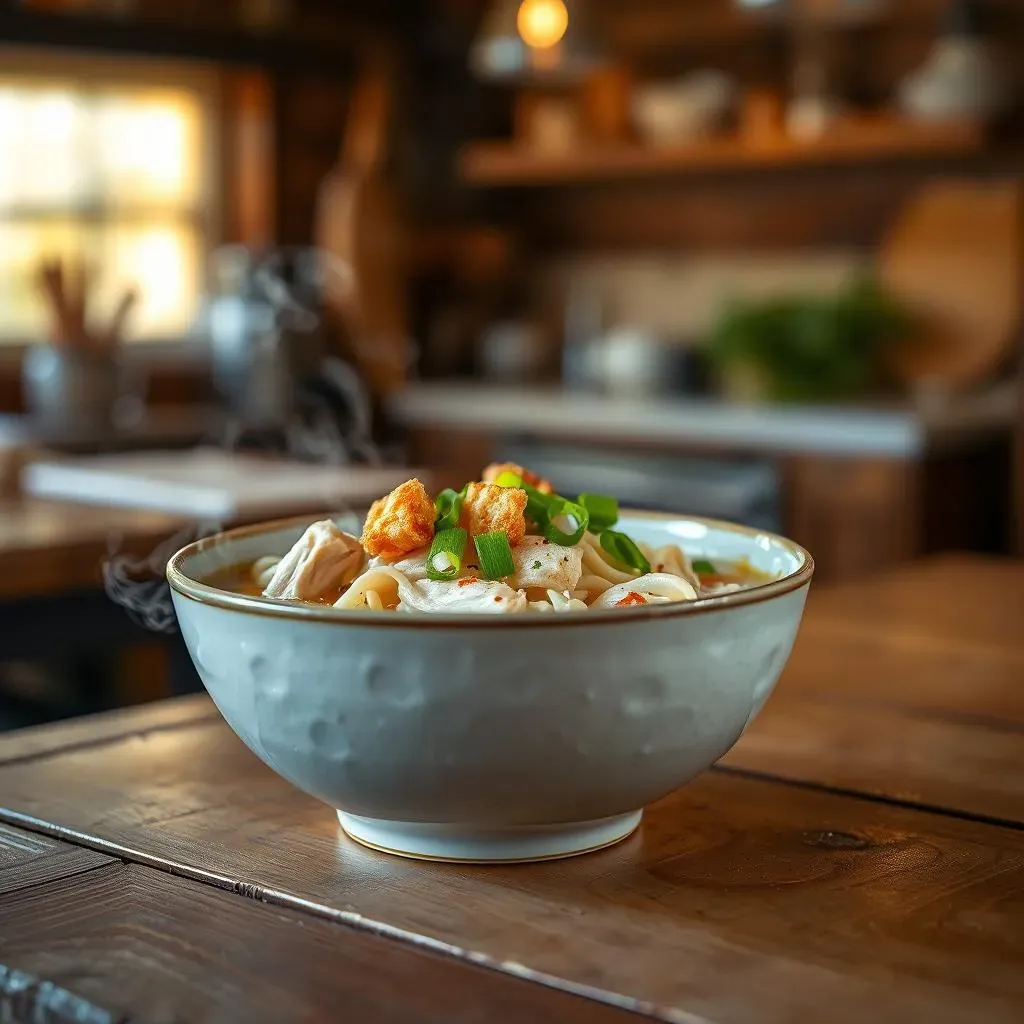
so you've made a batch of chicken noodle soup, and it's...thin. Like, broth with some stuff floating in it thin. It's not exactly the comforting hug in a bowl you were hoping for, right? There are a few reasons why this happens. Sometimes, it's simply a matter of not having enough starch released into the broth, like from the noodles or potatoes, if you added any. Maybe you used a store-bought broth that was already pretty thin to begin with, or you just didn't simmer it long enough for the flavors and natural thickeners to develop. It could also be that you’re using too much liquid for the other ingredients. Think of it like this, you wouldn’t expect a thick sauce if you added a cup of flour to a gallon of water, would you? So, the ingredient ratios play a big role.
Easy Ways to Thicken Chicken Noodle Soup at Home
Easy Ways to Thicken Chicken Noodle Soup at Home
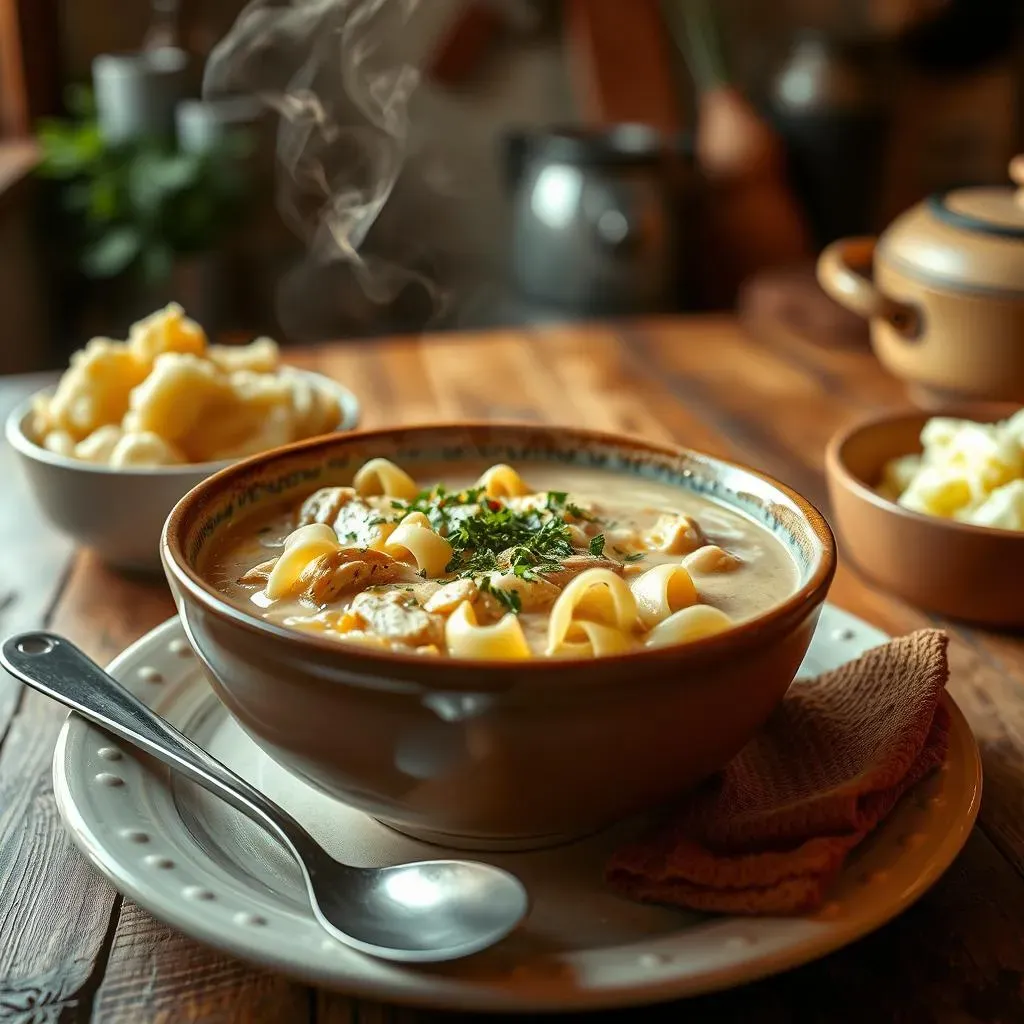
so your soup is a bit thin, no problem! You don’t need a fancy culinary degree to fix it. There are plenty of easy ways to thicken chicken noodle soup right in your own kitchen. One of the simplest methods is to use a starch. Cornstarch or tapioca flour are great options. Just mix a tablespoon or two with some cold water to make a slurry, then slowly whisk it into your simmering soup. The key here is to make sure it’s a smooth slurry before adding it to the hot soup, otherwise, you might end up with clumps. Another easy trick? Let your noodles cook in the soup a little longer. They'll release more starch, which naturally thickens the broth. It's like a two-for-one deal: cooked noodles and thicker soup! And hey, if you're feeling adventurous, a little mashed potato can also do wonders.
Thickening Method | How to Use It | Notes |
|---|---|---|
Cornstarch/Tapioca Flour | Mix 1-2 tbsp with cold water, then whisk into simmering soup | Make sure it's a smooth slurry, add slowly |
Extra Noodles | Cook noodles longer in the soup | Releases starch, thickens naturally |
Mashed Potato | Add a spoonful or two of mashed potato to the soup | Adds thickness and creaminess |
Restaurant Tricks: How They Get Chicken Noodle Soup So Thick
Restaurant Tricks: How They Get Chicken Noodle Soup So Thick
The "Secret" Ingredients
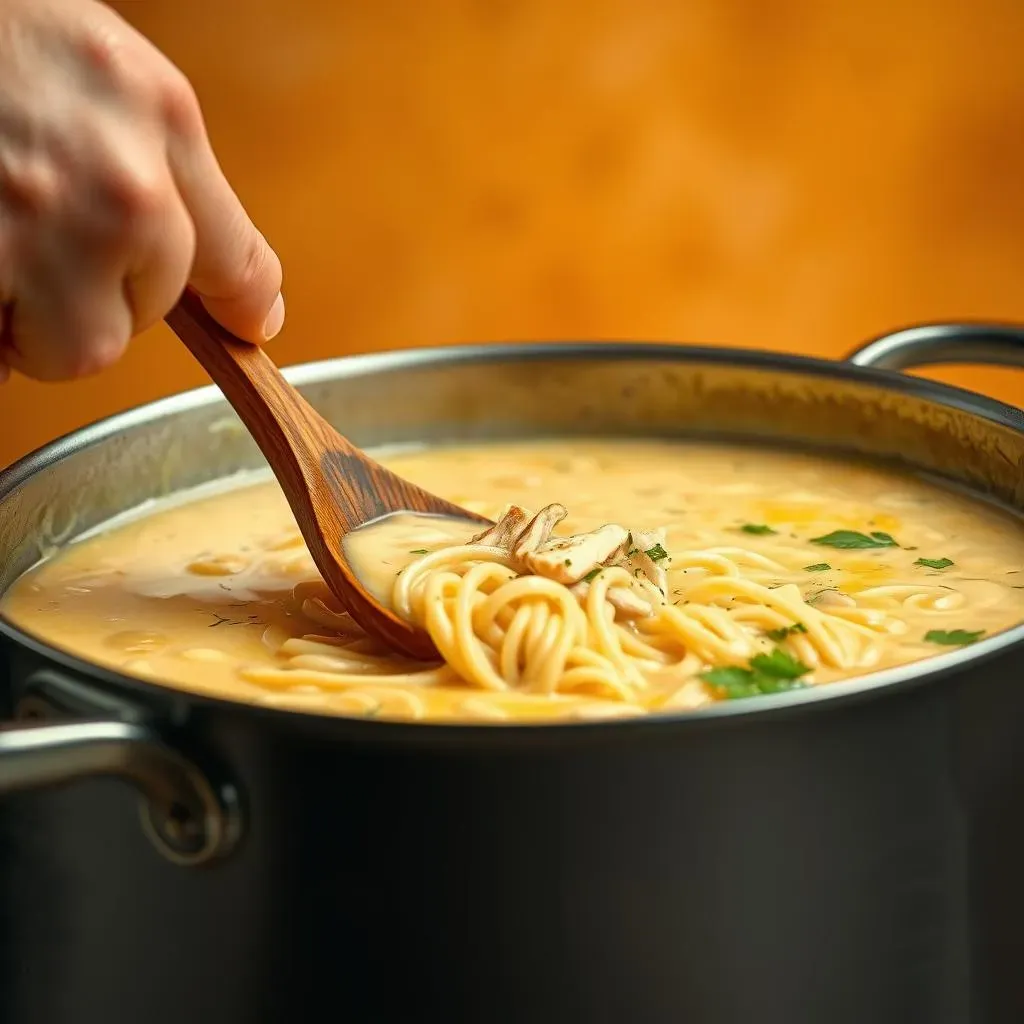
Ever wonder why restaurant chicken noodle soup has that perfect, velvety texture? It's not always just about home-style cooking methods, some places have a few tricks up their sleeves. Some restaurants might use pre-made, packaged soup bases, which often contain thickeners and flavor enhancers like MSG. It's a bit of a shortcut, but it does achieve that consistent, thick result. Others might rely on a roux, which is a mixture of flour and fat cooked together before adding the broth. This creates a smooth, stable thickening agent that’s a staple in professional kitchens. They might also use modified starches, which are designed to thicken liquids quickly and effectively without affecting the flavor. It's all about getting that desired consistency, sometimes by any means necessary!
And let's not forget the power of reduction. Chefs often simmer their soup for a long time, which allows the liquid to evaporate and the flavors to concentrate. This process also naturally thickens the soup as the ratio of solids to liquid increases. Think of it like making a syrup, the more you cook it, the thicker it gets. Some places might even add pureed vegetables, like carrots or celery, to boost both the flavor and thickness. So, while some restaurants do use shortcuts, others achieve that perfect texture through a combination of technique and time. It's all about understanding the science of soup!
The Professional Kitchen Hacks
Restaurants also have some specific techniques that help achieve that signature thickness. One common practice is to make a rich, flavorful stock from scratch. They often use chicken bones and vegetables simmered for hours, extracting all the goodness and natural gelatin, which acts as a natural thickener. This homemade stock is much richer and more flavorful than anything you can buy in a can or box, and it lays the foundation for a great, thick soup. Another trick is to use a technique called "tempering." This involves slowly adding a small amount of hot liquid to a cold ingredient, like an egg yolk, before adding it to the soup. This prevents the egg from curdling and adds a silky, creamy texture.
Also, some places might use a combination of thickening agents, like a roux plus cornstarch, to ensure a perfectly thick soup that doesn't separate or get watery. They’re not afraid to experiment with different methods to find what works best for them, and they know that it’s not always just about one ingredient or one technique. It is about finding a balance that creates that perfect consistency and flavor that keeps customers coming back for more. So, while we can't all have a professional kitchen at home, we can definitely learn a thing or two from their approach.
Restaurant Trick | How It Works | Why They Use It |
|---|---|---|
Pre-made Soup Bases | Contain thickeners and flavor enhancers | Quick and consistent results |
Roux | Flour and fat cooked together | Smooth and stable thickening |
Reduction | Simmering soup for a long time | Concentrates flavors and thickens naturally |
Homemade Stock | Simmering chicken bones and vegetables | Rich flavor and natural thickeners |
Tempering | Slowly adding hot liquid to cold ingredients | Prevents curdling and adds creaminess |
Should You Thicken Your Chicken Noodle Soup? The Final Verdict
Should You Thicken Your Chicken Noodle Soup? The Final Verdict
The Personal Preference
Alright, so we've talked about why your soup might be thin, easy fixes, and even restaurant secrets. But the big question remains: should you thicken your chicken noodle soup? Honestly, it really boils down to personal preference. There's no right or wrong answer here. If you love a light, brothy soup, then by all means, keep it thin! It's all about what makes your taste buds happy. Some folks enjoy a clear, flavorful broth with just a few noodles and veggies, while others want a hearty, thick soup that feels like a meal in a bowl. It's like choosing between a thin crust or deep-dish pizza, both are great, but it's a matter of what you're in the mood for that day.
When Thickening Makes Sense
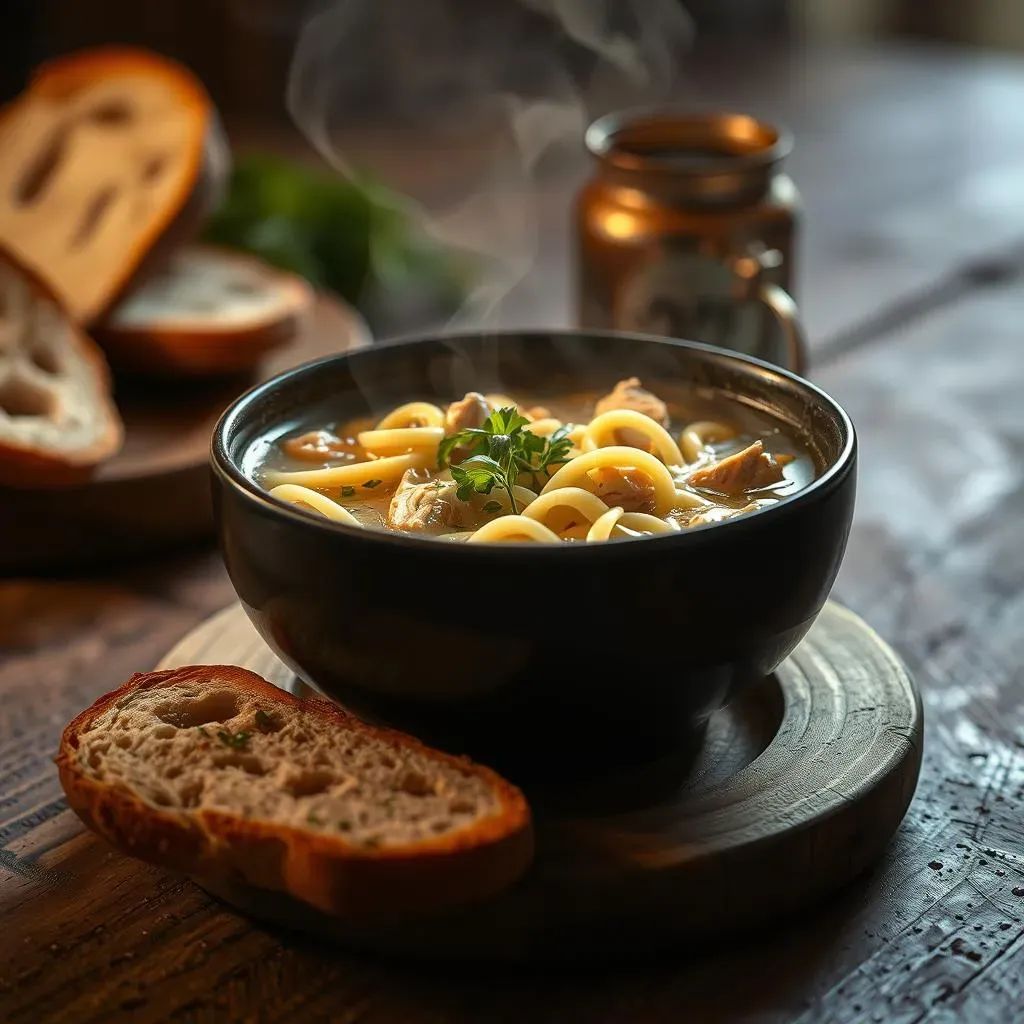
However, there are times when thickening your soup is definitely a good idea. If you're looking for a more filling meal, a thicker soup will definitely do the trick. It feels more substantial and satisfying. Also, if you're serving your soup with a side of bread or crackers, a thicker consistency can help them soak up all the delicious flavors. And let's face it, a thick, rich soup just feels more comforting, especially on a cold day. It's like getting a warm hug from the inside out. So, if you're aiming for that cozy, hearty experience, then thickening is the way to go. Don't be afraid to experiment and find the perfect consistency that suits your taste!
The Balancing Act
Ultimately, the decision of whether to thicken your chicken noodle soup depends on your personal taste and what you're trying to achieve. There's no universal "right" way to make this soup. If you decide to thicken it, remember that a little bit goes a long way. Start with a small amount of your chosen thickener, and add more as needed until you get the perfect consistency. It's always easier to add more than to take away. And most importantly, have fun with it! Cooking should be an enjoyable experience, so don't be afraid to experiment and make your chicken noodle soup exactly how you like it. Whether it's thin or thick, as long as it's delicious, you've done a great job.
- Consider your personal preference: thin or thick?
- Think about the purpose: a light snack or a hearty meal?
- Experiment with different thickening methods.
- Don't be afraid to try new things.
The Final Word on Thickening Your Chicken Noodle Soup
So, should you thicken your chicken noodle soup? Ultimately, it's a matter of personal preference. If you're craving a heartier, more substantial soup, then yes, thickening is definitely the way to go. You've learned several techniques, from simple starches to more involved roux, and even some restaurant secrets. Don't be afraid to experiment and find what works best for your taste and kitchen setup. Remember, a great bowl of chicken noodle soup is all about comfort and satisfaction, so go ahead and make it exactly how you love it. Happy cooking!